Blog Article
Does Obesity Affect Your Bones and Joints?
World Obesity Day – March 4 | Expert Guidance by Dr. Ganesh Shirsath – Orthopedic, Joint Replacement & Arthroscopy Specialist in Kalyan
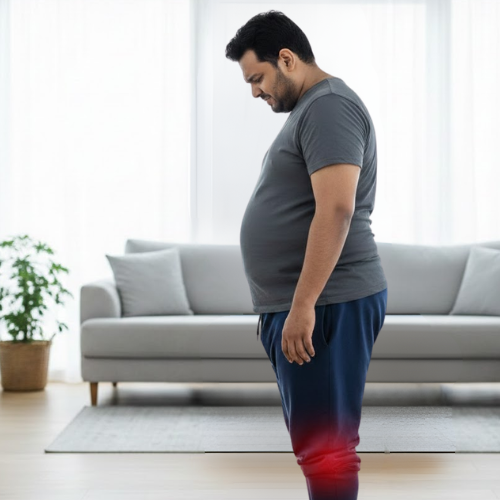
Obesity is far more than a cosmetic concern — it directly affects your knees, hips, spine, and overall bone health. On World Obesity Day, observed every year on March 4, the theme "Let's Talk About Obesity" encourages open, stigma-free conversations about weight and health.
With over 15 years of orthopedic expertise, Dr. Ganesh Shirsath, Orthopedic, Joint Replacement Surgeon and Arthroscopist in Kalyan, explains how excess weight silently damages your joints and increases the risk of long-term mobility issues.
How Much Pressure Does Obesity Put on Your Knees?
One of the most important orthopedic facts is: every extra kilo of body weight puts 4–6 times more pressure on your knees.
This multiplied load leads to:
- Faster cartilage wear
- Early-onset knee osteoarthritis
- Pain, stiffness, and reduced mobility
- Difficulty climbing stairs or walking long distances
The hips, ankles, and spine also absorb this excess force, making obesity a major risk factor for:
- Chronic back pain
- Hip arthritis
- Ankle ligament injuries
- Stress fractures
How Does Obesity Affect Bone Strength and Healing?
Obesity doesn't only overload joints — it also affects bone quality. Excess body fat can:
- Reduce bone density
- Slow fracture healing
- Increase inflammation
- Raise the risk of orthopedic complications
Even advanced procedures like knee replacement or hip replacement carry higher risks in obese patients, including:
- Infection
- Blood clots
- Implant loosening
- Longer recovery time
This is why orthopedic surgeons strongly emphasize weight management as part of long-term joint care.
How Much Weight Loss Helps Reduce Joint Pain?
The encouraging part is that small, consistent weight loss makes a big difference. Losing just 5–10% of your body weight can significantly reduce joint strain.
For example, a 90 kg person losing 4.5–9 kg can experience:
- Noticeable reduction in knee pain
- Improved mobility
- Slower osteoarthritis progression
Even modest lifestyle changes can transform joint health.
What Are the Best Exercises for Obesity-Related Joint Pain?
Dr. Ganesh Shirsath recommends low-impact, joint-friendly exercises such as:
- Walking – gentle and effective
- Swimming – zero-impact, ideal for knee and hip pain
- Cycling – strengthens leg muscles without overloading joints
- Yoga & stretching – improves flexibility and posture
Pairing exercise with a balanced, nutrient-rich diet supports bone strength and sustainable weight loss.
Expert Advice by Dr. Ganesh Shirsath
Maintaining a healthy weight is one of the most effective ways to protect your joints. Early intervention can prevent long-term complications and reduce the need for surgery.
If you are experiencing joint pain, stiffness, or mobility issues related to weight, consulting an experienced orthopedic specialist can help you understand the right treatment and lifestyle plan at the right time.
Frequently Asked Questions (FAQs)
Expert insights by Dr. Ganesh Shirsath, Orthopedic Surgeon in Kalyan | 15+ Years Experience