Blog Article
Pain While Climbing Stairs: Is It Your Knee or Cartilage?
Understanding Cartilage Damage, Meniscus Injury and Early Knee Degeneration
Explained by Dr. Ganesh Shirsath, Orthopedic Surgeon in Kalyan
Published on 9 September, 2026
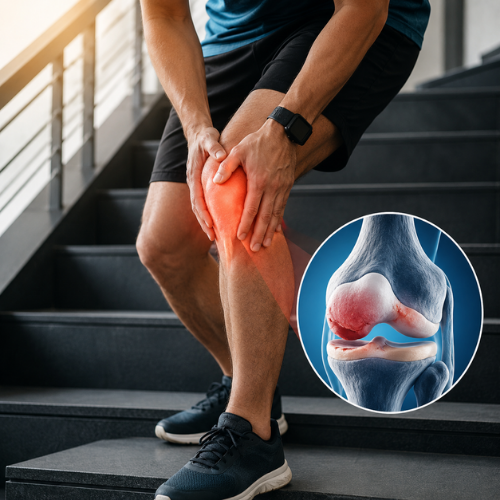
Climbing stairs should be effortless, but if every step causes sharp or aching knee pain, it may be more than simple fatigue. According to Dr. Ganesh R. Shirsath (MS Orthopaedics, Fellowship in Joint Replacement and Arthroscopy, with 15+ years of experience), persistent pain while climbing stairs is often linked to cartilage damage, meniscus injury, or early knee joint degeneration, and early diagnosis can prevent long-term complications.
As an experienced Orthopedic Surgeon in Kalyan, Dr. Shirsath provides comprehensive care for knee pain, sports injuries, and joint disorders through personalized diagnosis and treatment plans.
Why Does Knee Pain Get Worse on Stairs?
Your knees bear nearly 3–4 times your body weight while climbing stairs. This increased pressure places stress on the cartilage, kneecap, ligaments, and meniscus. If any of these structures are damaged, pain becomes noticeable during activities such as climbing, squatting, or getting up from a chair.
Common symptoms include:
- Pain in the front or inside of the knee
- Clicking or grinding sensation
- Swelling after walking
- Difficulty climbing or descending stairs
- Feeling that the knee may give way
These symptoms should not be ignored, especially if they persist for more than a few weeks.
Is It Your Knee Joint or Cartilage?
The location and type of pain often provide important clues.
Knee Joint Pain
Usually caused by muscle strain, ligament irritation, or inflammation around the joint.
- Dull aching pain
- Mild stiffness
- Improves with rest
- May occur after overuse
Cartilage Damage
Occurs when the smooth protective layer inside the knee wears out or tears.
- Sharp pain during movement
- Locking or catching sensation
- Swelling and reduced mobility
- Pain while climbing stairs or squatting
If your knee frequently locks, clicks, or swells, cartilage or meniscus damage becomes more likely than a simple muscle problem.
Common Causes of Cartilage-Related Knee Pain
Several conditions can cause pain while climbing stairs:
| Condition | Typical Symptoms |
|---|---|
| Meniscus tear | Pain, swelling, locking of knee |
| Cartilage wear | Grinding sensation, stiffness |
| Patellofemoral syndrome | Pain behind kneecap on stairs |
| Ligament injury | Instability with movement |
| Early osteoarthritis | Morning stiffness and pain during activity |
A proper clinical examination combined with imaging such as MRI helps identify the exact cause.
When Should You See an Orthopedic Specialist?
Consult a knee specialist if you experience:
- Knee pain lasting longer than 2 weeks
- Swelling after daily activities
- Pain while climbing or descending stairs
- Knee locking or catching
- Difficulty walking or exercising
- Repeated sports-related knee injuries
Early treatment often prevents further cartilage deterioration.
Diagnosis: How Is Cartilage Damage Confirmed?
Your orthopedic doctor may recommend:
- Physical examination to assess stability and range of motion
- X-rays to evaluate bone alignment and arthritis
- MRI scan for cartilage, ligament, and meniscus injuries
- Diagnostic knee arthroscopy in selected cases for direct visualization of the joint
Treatment Options for Knee Cartilage Pain
Treatment depends on the severity of cartilage injury.
Non-Surgical Treatment
- Activity modification
- Physiotherapy
- Anti-inflammatory medications
- Knee strengthening exercises
- Weight management
Many mild cartilage injuries improve with conservative care.
Knee Arthroscopy
For persistent pain, meniscus tears, or cartilage damage, knee arthroscopy surgery offers a minimally invasive solution. Using a tiny camera and specialized instruments, damaged cartilage can be repaired through small incisions, resulting in less pain and faster recovery compared to traditional surgery.
Tips to Reduce Knee Pain on Stairs
- Hold the handrail while climbing
- Step with the stronger leg first when going up
- Avoid deep squats if painful
- Wear supportive footwear
- Strengthen your quadriceps and hamstring muscles regularly
- Maintain a healthy body weight to reduce knee load
Conclusion
Pain while climbing stairs is not always "just knee pain." It may be an early sign of cartilage damage or a meniscus injury that requires expert evaluation. Timely diagnosis and appropriate treatment can help restore mobility and prevent long-term joint problems.
If you're experiencing persistent knee pain while climbing stairs, consult Dr. Ganesh R. Shirsath, an experienced orthopedic and arthroscopy specialist in Kalyan, for personalized diagnosis and advanced minimally invasive treatment options.
Frequently Asked Questions (FAQs)
1. Why does my knee hurt only while climbing stairs?
Climbing stairs increases pressure on the kneecap and cartilage, making underlying injuries more noticeable.
2. Can cartilage damage heal naturally?
Minor injuries may improve with physiotherapy, but significant cartilage tears often require specialized treatment.
3. Is knee arthroscopy a major surgery?
No. It is a minimally invasive procedure performed through small incisions with faster recovery.
4. What is the difference between cartilage and meniscus?
Cartilage covers the bone surfaces, while the meniscus is a C-shaped shock-absorbing cushion inside the knee.
5. When should I consult Dr. Ganesh R. Shirsath?
If knee pain persists for more than two weeks, or you experience swelling, locking, or difficulty climbing stairs, seek orthopedic evaluation.
Dr. Ganesh R. Shirsath's Advice
Persistent knee pain while climbing stairs should not be ignored. Early evaluation can help identify cartilage or meniscus damage and other underlying problems, allowing appropriate treatment before symptoms affect mobility and daily activities.
Book an Appointment Today