Blog Article
Persistent Knee Locking or Catching? Think Meniscus Tear
Understanding Meniscus Tears, Diagnosis, and Arthroscopic Treatment
Explained by Dr. Ganesh Shirsath, Orthopedic Surgeon in Kalyan
Published on 23 September, 2026
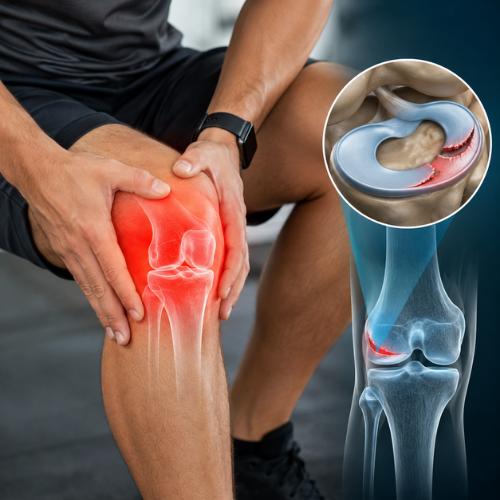
If your knee suddenly locks, catches, or feels like it gets stuck while walking, it may be more than a simple sprain. According to Dr. Ganesh R. Shirsath (MS Orthopaedics, Fellowship in Joint Replacement and Arthroscopy, with 15+ years of experience), persistent knee locking is one of the classic warning signs of a meniscus tear. At Dr. Ganesh Arthroscopy Clinic, advanced diagnosis and minimally invasive knee arthroscopy help patients regain pain-free movement and return to their daily activities.
As an experienced Orthopedic Surgeon in Kalyan, Dr. Shirsath provides comprehensive care for meniscus tears, sports injuries, and joint disorders through personalized diagnosis and treatment plans.
What Is a Meniscus Tear?
The meniscus is a C-shaped piece of cartilage inside your knee that acts as a shock absorber between the thigh bone and shin bone. Each knee has two menisci that help distribute weight, stabilize the joint, and protect the cartilage.
A meniscus tear occurs when this cartilage gets damaged due to a sudden twist, sports injury, or age-related wear and tear. It is one of the most common causes of persistent knee pain and locking.
Why Does the Knee Lock or Catch?
A torn piece of the meniscus can interfere with the normal movement of the knee joint. Instead of bending and straightening smoothly, the damaged cartilage may get trapped between the bones, creating a sensation of locking or catching. You may notice:
- A sudden inability to fully straighten the knee
- Clicking or catching during movement
- Pain while squatting or climbing stairs
- Swelling after activity
- A feeling that the knee may give way
If these symptoms continue for several days, an orthopedic evaluation is recommended.
Common Causes of Meniscus Tear
Meniscus injuries can affect both athletes and non-athletes.
Sports Injuries
Football, cricket, badminton, basketball, and gym activities often involve twisting movements that can tear the meniscus.
Sudden Twisting
Turning quickly while the foot remains planted is a common mechanism of injury.
Age-Related Degeneration
In adults over 40, the cartilage naturally becomes weaker and may tear during routine activities like kneeling or getting up from a chair.
How Is a Meniscus Tear Diagnosed?
An orthopedic specialist will begin with a physical examination to identify tenderness, swelling, and mechanical locking. Imaging tests may include:
- X-rays: To rule out fractures or arthritis
- MRI scan: The best investigation for confirming a meniscus tear
- Clinical assessment: To determine whether surgery is necessary
Early diagnosis helps prevent further damage to the knee cartilage.
Meniscus Tear Treatment Options
Treatment depends on the type, location, and severity of the tear.
Non-Surgical Treatment
Small or stable tears may heal with rest, ice, medication, knee support, and structured physiotherapy to strengthen surrounding muscles.
Arthroscopic Knee Surgery
When the knee repeatedly locks or the tear is significant, knee arthroscopy is often recommended. This minimally invasive procedure uses a tiny camera and specialized instruments through small incisions to repair or trim the damaged meniscus, resulting in less pain, minimal scarring, and faster recovery than traditional open surgery.
Recovery After Knee Arthroscopy
Recovery varies depending on whether the meniscus is repaired or partially removed.
| Recovery Milestone | Typical Timeline |
|---|---|
| Walking with support | 1–2 days |
| Office work | 1–2 weeks |
| Driving | 2–3 weeks |
| Sports rehabilitation | 2–6 months |
Following your physiotherapy program is essential for restoring strength and preventing future injuries.
When Should You See an Orthopedic Surgeon?
Consult an orthopedic specialist immediately if you experience:
- Knee locking that prevents full movement
- Persistent swelling lasting more than 48 hours
- Sharp pain after a twisting injury
- Repeated clicking or catching sensations
- Difficulty walking or bearing weight
Ignoring these symptoms may lead to further cartilage damage and increase the risk of early knee arthritis.
Frequently Asked Questions (FAQs)
1. Can a meniscus tear heal without surgery?
Yes. Small, stable tears may improve with rest, physiotherapy, and activity modification, while larger tears causing locking often require arthroscopy.
2. What does knee locking feel like?
It feels as if the knee gets stuck and cannot fully bend or straighten, often accompanied by clicking or pain.
3. Is MRI necessary for a meniscus tear?
MRI is the most accurate imaging test for confirming the location and severity of a meniscus injury.
4. How long does arthroscopic meniscus surgery take?
Most arthroscopic procedures take about 30–60 minutes, and many patients return home the same day.
5. Can I walk after knee arthroscopy?
Yes. Most patients begin walking with support within a day or two, depending on the procedure performed.
Dr. Ganesh R. Shirsath's Advice
Dr. Ganesh R. Shirsath specializes in arthroscopic knee surgery and sports injury management, offering personalized treatment plans for meniscus tears, ligament injuries, and other knee conditions. His focus is on preserving the natural knee joint whenever possible using advanced minimally invasive techniques. If you're searching for an experienced orthopedic doctor for knee locking or catching in Kalyan, book a consultation today.
Book an Appointment Today